Tools, not advice.
Creatives don't need another course on running a business. They need the thing that runs it.
We ran creative businesses on six apps and a spreadsheet. Then we built the thing we wished we'd had. Bootstrapped, independent, and in beta with the people it's for.
The business side of creative work got tools built for operations people, sales teams, and enterprises. None of them were built for someone who'd rather be making. Watson is. Its job is to take the tracking, the chasing, and the filing off your plate, so the week goes to the craft.
Bootstrapped and independent. No outside money. We're building Watson with our own hands, at the pace that keeps it honest, and the longer we do it this way the more we like it. No growth targets from someone who's never run a studio. No feature built to impress an investor instead of a photographer.
Five things we hold ourselves to. They're the same whether you're a customer or you'd like to work here.
Creatives don't need another course on running a business. They need the thing that runs it.
The site says what's live. The roadmap says what's coming. Nothing in between.
The portal is calm on purpose. If a client needs a tutorial, we got it wrong.
Capture a task, start a timer, drop a file: under a second, from anywhere, or it isn't done.
A file, an approval, a request lives in one place and shows up everywhere it matters. Nothing gets copied between tools, because there aren't any.
Watson is new. The people building it aren't. Before Watson, Ben spent a decade building the templates and systems thousands of creatives ran their studios on. Some of what they said:
“The first time I used it, I closed my first six-figure contract with a client that is beyond a dream client for me. The structure it gave me makes me feel like I stole the secret sauce at the price I paid.”
Chris Giuseppini, content marketing
“The products you've created, and I own almost all of them, are exceptionally executed, thoughtfully crafted, and delivered with love to help us realize our goals.”
Allise Dickson
“I'm feeling more confident than ever and see a clear path to success using these tools. Without exaggerating, they're changing lives. I'm able to deliver a much better product and experience to my clients.”
Josh Huston, creative company founder
“Nearly every client I've sent my updated proposal decks to has commented on how blown away they are. Which was never the case before. I've landed more projects because of it.”
Debbie Clapper
“Used it to write a proposal for 78K CAD. Got the deal. Now that deal is turning into something else worth more, and opened the door to seven figures of business.”
David Triplett
“Hands down the best design asset purchase I've made. It saved me around a month's worth of work.”
Enaz
From running creative studios to coaching thousands of freelancers, we know what works for creatives. That’s why we’re here.
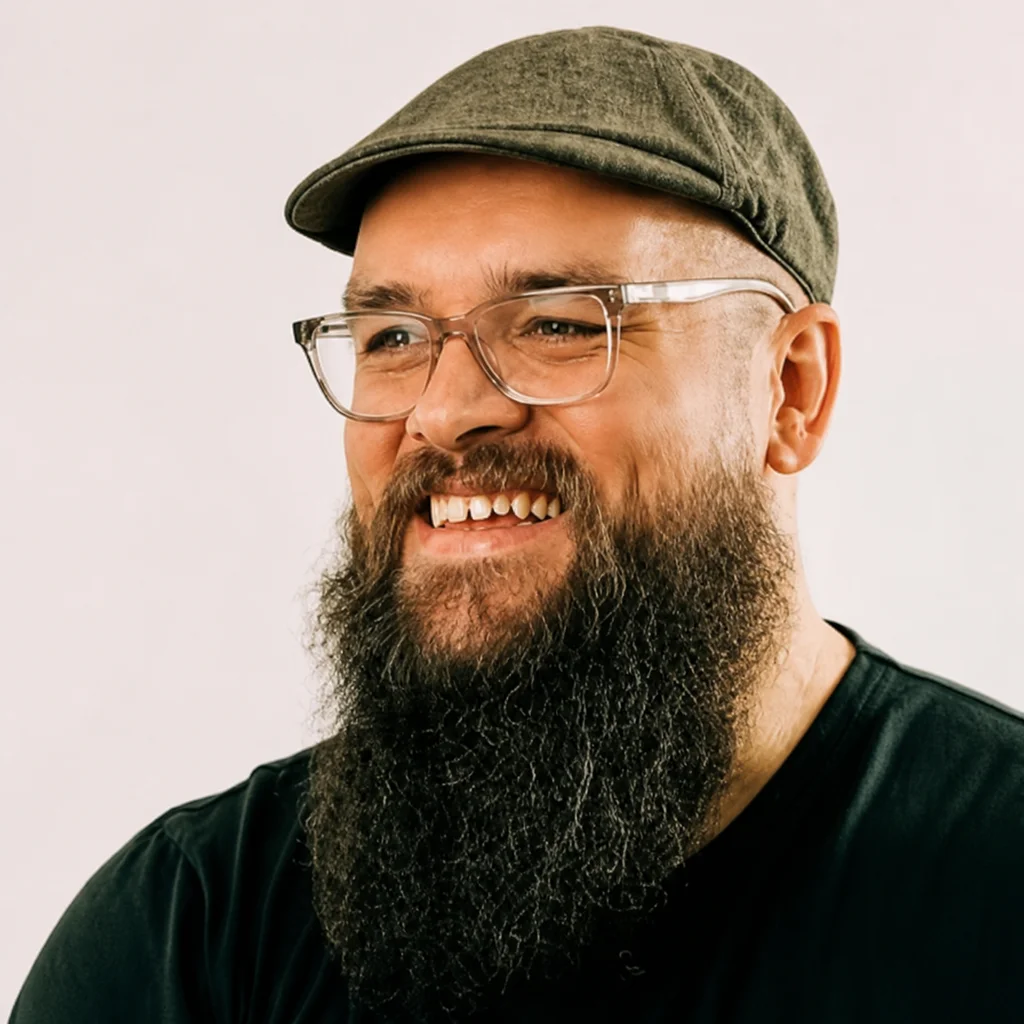
I'm an award-winning designer, author, entrepreneur, and father of the year. I’ve built and scaled creative businesses, mentored thousands of creatives, and helped makers turn their craft into a career they love.
Meet Ben ↗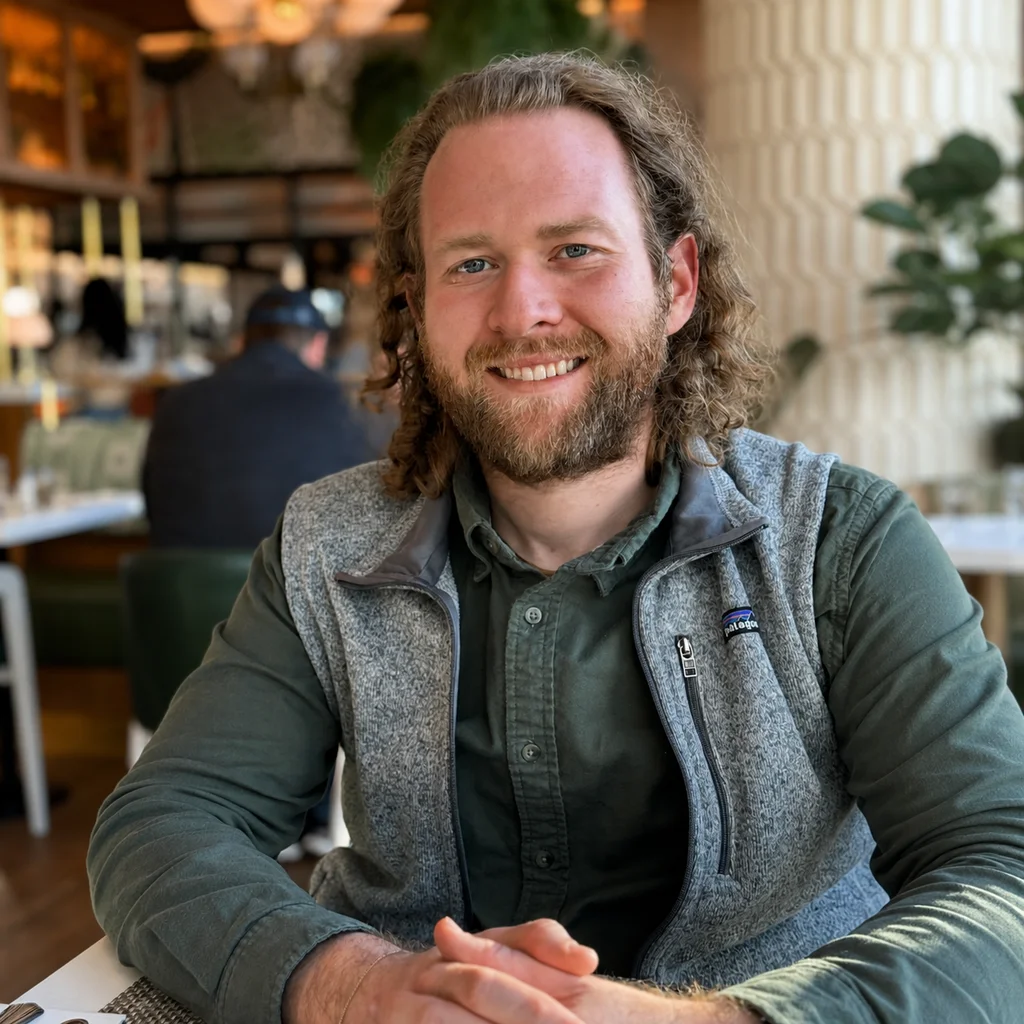
From launching creative studios to scaling startups, I’ve seen firsthand what sparks growth and what holds it back. A tinkerer at heart since my Lego robotics days, now I’m building Watson.
Meet Lassiter ↗Every product starts with a bad day. Here's ours.
In the early days, I was a design freelancer running low-budget jobs. I'd pick up work from platforms like oDesk, my personal network (thanks, Grandma), and the scraps from other agencies and studios.
To make ends meet, I had to take on far too many projects at once. At one point, I ran 53 clients simultaneously, each with at least one active project.
Admittedly, the work wasn't great in those days. I wasn't clear about my process, and I wasn't fantastic at communicating. My clients weren't having a great experience at all, but they didn't complain much because I was so affordable.
Until one day…
I was working with a client on an e-commerce site build. It was one of my first completely custom Wordpress templates, and as far as I knew, the project was moving along smoothly. We finished the design phase and were well within the development phase when everything exploded.
I was in the middle of presenting the first round of the developed template when the client spoke up and asked for a design change that would have scrapped our entire build.
I scrambled for words, and explained that we couldn't move backwards with the project, and that the change they wanted would require us to rebuild the entire site. The mood in the room went dark.
"THIS is the website? You already built it?!"
I sat, bewildered, while they fully expressed their opinion of me, expletives and all. It was the first and last time a client raised their voice at me.
Now, there are a ton of lessons I learned from this experience, especially how to avoid toxic clients like this one. Never again. But the fact remains: The client had no idea where we were in the process.
Even though each project phase was listed in the contract, and we had approval forms signed before moving on to the next phase… I must have not been been clear on how things were supposed to work.
More transparency might have helped. Having a place where they could log in and see what we've done so far and what's coming next… this also might have helped. Recaps and notes from each meeting might have helped as well.
The way I worked with clients had to change.
I hunted for an affordable project management software that could help prevent disasters like this one. I tried nearly all of the major platforms available at that time. None of them really fit well.
Over time, my business grew. I learned how to price my work better, and my projects started to require specialists, so I began collaborating with other freelancers. I learned how to work with other people and, after a while, I hired my first intern. Delegation was an entirely new world. My internal team eventually grew to five employees, and I found myself doing more managing than making.
With each collaboration and with every hire, I found myself reevaluating the way we worked. The tools that worked for one person didn't seem to work for two. And what worked for two fell flat when the team grew to five. We outgrew each platform, each process with every milestone.
Then I got hired at a creative agency called Blind
Have you ever seen those videos of people jumping onto a treadmill that's moving at high speed? That's what joining the team at Blind felt like. Watching Chris Do, Matthew Encina, and Greg Gunn work was like drinking through a fire hose.
One thing took me by surprise: Even at this high-performing agency, we still weren't happy with the tools that we used to manage the business. In the span of four years, we changed project and team management systems several times… and never found something that fit just right.
That's why I'm so excited at what we've created here. We've poured every ounce of experience we have into this platform. We wanted to create something that would have been the a perfect fit for a growing creative business. Something that would help a younger me manage projects, track sales, streamline systems, and keep a roster of people at hand.
I can't wait to hear what you think.
Ben Burns
Co-Founder of Watson
PS. I did end up finishing that project. After receiving an apology and a bit of extra money, of course, we built a site that still stands today.
From the desk of Ben Burns
Co-Founder, Watson